The Inner Landscape of Hifz: Spiritual Healing, Mental Strain, and Knowing When to Ask for Help
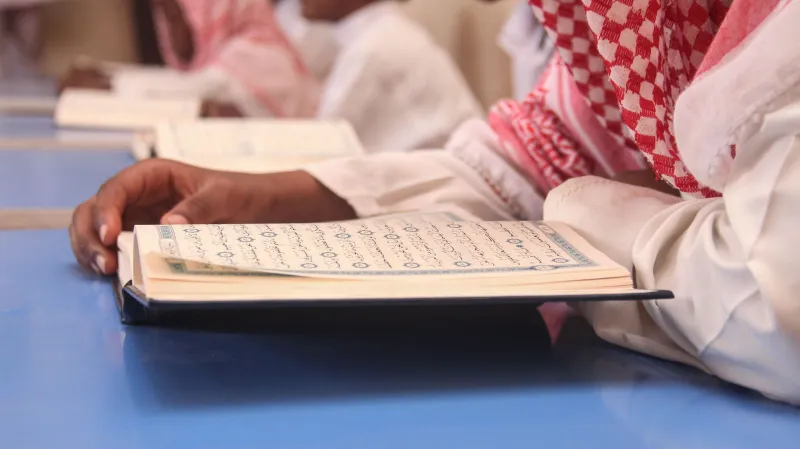
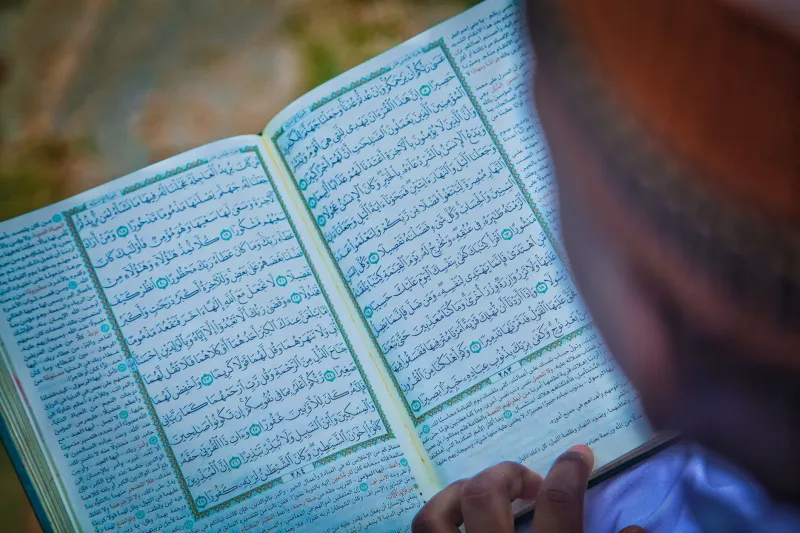
There is a reason the Quran describes itself as a shifa—a healing. For millions of Muslims across history, immersing oneself in its words has been a source of profound inner peace, clarity of purpose, and spiritual grounding. Quranic memorization, in particular, draws a person into an unusually intimate relationship with divine speech: the words live not just on a page but inside the body, shaping breath and thought and identity.
Yet within the hifz community—especially among driven, high-achieving Muslim students in the United States—there is a conversation that does not happen often enough. Alongside the beauty and the barakah, the hifz journey can carry real psychological weight. Anxiety about forgetting. Shame after a weak recitation. The relentless pressure to be perfect in the presence of the Quran. For some students, these experiences accumulate into something more serious than a difficult week.
Honoring the full truth of hifz means holding both realities at once: the healing, and the harm that can come when the journey is navigated without adequate inner support.
What the Research and Tradition Both Affirm
The psychological benefits of Quranic engagement are neither anecdotal nor exclusively spiritual. Studies examining the effects of recitation and memorization on cognitive function point to improvements in working memory, sustained attention, and the capacity for focused thought. For students who practice hifz regularly, the discipline of memorization appears to strengthen the same neural pathways associated with deliberate learning and executive function.
Beyond cognition, many students and scholars describe the experience of hifz as profoundly grounding. In a cultural moment defined by fragmented attention and chronic distraction, the act of sitting with a single text—returning to it daily, reciting it aloud, internalizing its rhythms—offers something increasingly rare: a sense of depth and purpose that social media and surface-level productivity cannot replicate.
Islamic tradition has always recognized this. Scholars describe the heart of the hafiz as illuminated, the home in which Quran is recited as visited by angels. These are not metaphors designed to motivate—they are descriptions of a spiritual reality that many students genuinely experience as calming, centering, and restorative.
When the Journey Becomes a Source of Strain
And yet. For a meaningful number of students, particularly those in rigorous full-time hifz programs or those navigating hifz alongside demanding American academic environments, the experience tilts in a different direction.
Perfectionism is perhaps the most common psychological hazard. The nature of hifz—where precision is genuinely required, where a single misplaced word can alter meaning—can create an internal environment where anything less than flawless feels like failure. Students begin to dread their daily recitation, not because they dislike the Quran, but because each session becomes a performance evaluation they fear failing.
For students already prone to anxiety, this dynamic can intensify significantly. The recitation session becomes a trigger rather than a refuge. Some students describe lying awake the night before a recitation test with their heart racing—not from excitement, but from dread. Others report avoiding review altogether because the anxiety of discovering they have forgotten something feels too overwhelming to face.
Burnout is another reality that receives insufficient attention. Students who spend years in intensive hifz programs without adequate rest, emotional processing, or joy outside of Quran can emerge from graduation feeling spiritually depleted rather than enriched. When the Quran becomes associated primarily with exhaustion and pressure, the natural response is distance—and that distance can persist for years.
Reframing Imperfection as Part of the Process
One of the most important conceptual shifts a student or teacher can make is separating the sanctity of the Quran from the inevitability of human imperfection. The Quran is perfect. The student is not—and was never expected to be.
The Prophet ﷺ himself described the person who recites with difficulty yet persists as receiving a double reward. This is not a consolation prize for the less talented; it is a theological statement about the value of sincere effort in the presence of struggle. Hifz teachers and parents in the American Muslim community would do well to return to this framing frequently, especially with students who show signs of perfectionism or shame.
Practically, this means building error tolerance into the learning culture. A student who forgets an ayah during review has not committed a moral failure—they have encountered a normal feature of human memory that requires a technical response, not an emotional one. Normalizing forgetting as part of the cycle, rather than evidence of inadequacy, changes the psychological texture of the hifz experience significantly.
Recognizing When Spiritual Practice Is Not Enough
Islamic tradition encourages seeking professional expertise when one is ill—the Prophet ﷺ affirmed that Allah has not created a disease without also creating a cure, and scholars have consistently held that seeking treatment is not a rejection of tawakkul but an expression of it.
The same principle applies to mental health. When a student's anxiety about hifz is interfering with their sleep, their relationships, their ability to function in daily life, or their overall sense of self-worth, that is a signal that spiritual practice alone may not be sufficient. A therapist—ideally one familiar with Muslim cultural contexts, though this is not strictly necessary—can offer tools that complement rather than compete with the student's Islamic practice.
For Muslim families in the United States, there remains significant stigma around mental health treatment. Framing therapy as a weakness, or suggesting that a sufficiently faithful person should not need outside support, causes real harm. Students who are struggling deserve to hear clearly: seeking help is not a sign that your iman is insufficient. It is a sign that you are taking your wellbeing seriously, as Islam asks you to.
Organizations such as the Muslim Mental Health Initiative and Khalil Center offer culturally sensitive resources specifically for American Muslims navigating these intersections.
Toward a Hifz Culture That Heals
The goal is not to soften the rigor of hifz or to suggest that the journey should be effortless. Discipline, consistency, and genuine sacrifice are part of what makes the achievement meaningful. The goal is to ensure that the environment surrounding hifz—the teacher's words, the parent's expectations, the student's internal dialogue—reflects the mercy that is woven into the very text being memorized.
Allah describes the Quran as a mercy for the believers. A hifz program that produces graduates who are technically proficient but psychologically wounded has missed something essential. A student who finishes memorization with their love for the Quran intact, their mental health supported, and their understanding of their own limitations grounded in compassion—that student carries something that will serve them, and their communities, for a lifetime.