Small Moments, Lasting Verses: How Daily Microhabits Outperform Weekend Memorization Marathons
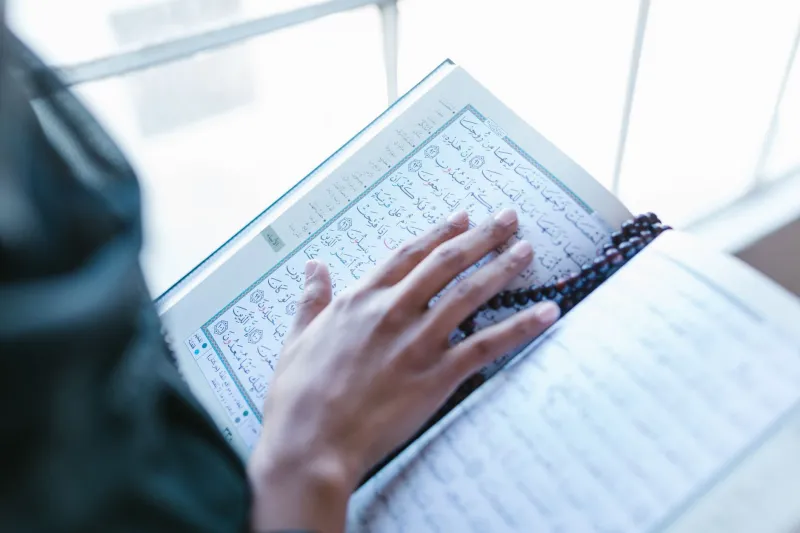
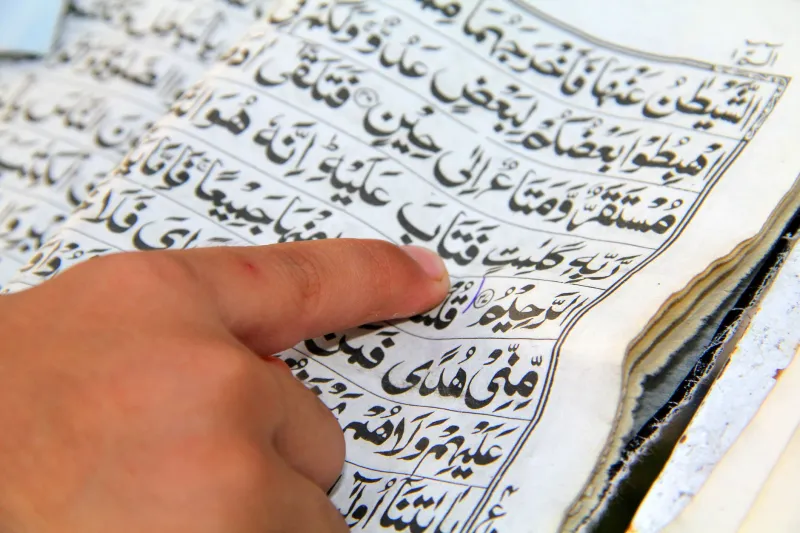
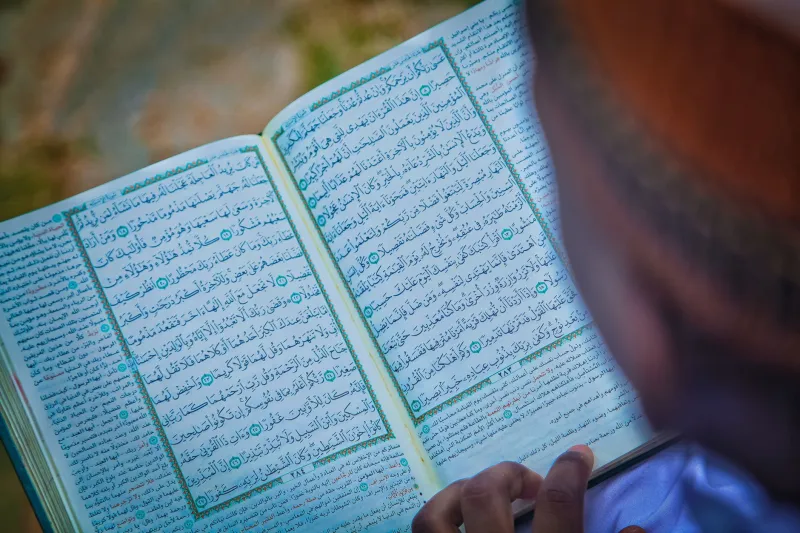
There is a quiet frustration familiar to nearly every Muslim pursuing hifz in America. Friday night arrives, the week's obligations finally recede, and the student sits down with a firm resolve to cover everything that was missed since last Saturday. Three hours later, the verses feel shaky at best. By Monday morning, half of what was reviewed has already faded. The cycle repeats.
This is the weekend cramming trap, and behavioral scientists have been documenting its failures for decades. What research increasingly confirms—and what experienced huffaz have long sensed intuitively—is that memorization is not a product of volume. It is a product of frequency. And that insight changes everything about how a busy American Muslim should approach hifz.
Why the Brain Prefers Small and Often
Human memory consolidates information through a process that unfolds across time, not within a single sitting. Each time a memory is retrieved and rehearsed, the neural connections associated with that memory are strengthened and made more resistant to decay. This is the principle behind what cognitive psychologists call the spacing effect—the well-documented finding that information reviewed across multiple shorter sessions is retained far more reliably than information reviewed in one extended block.
When you cram verses on a Saturday afternoon, you are essentially flooding a single neural pathway with repeated activation. It feels productive because the words flow easily by the third hour. But that ease is largely a product of short-term working memory, not long-term storage. Return to those same verses seventy-two hours later without intermediate review, and the pathway has already begun to degrade.
Contrast that with five deliberate minutes of recitation every morning. Each brief session arrives just as the previous session's memory is beginning to soften, prompting the brain to retrieve and re-encode the verses at precisely the moment they are most vulnerable to forgetting. Over days and weeks, those pathways thicken. The Quran begins to feel less like something you are trying to hold onto and more like something that has taken root.
The Spiritual Logic of Consistency
Beyond neuroscience, there is a deeply Islamic case for daily constancy in worship and learning. The Prophet Muhammad ﷺ is reported to have said that the most beloved deeds to Allah are those done consistently, even if they are small. Scholars across generations have understood this hadith not merely as encouragement but as a description of how spiritual transformation actually works. Character, taqwa, and connection to the Quran are not built in weekend surges. They are cultivated through the quiet discipline of showing up, day after day, regardless of how little time is available.
A hifz microhabit, then, is not a compromise or a shortcut. It is an alignment with both the science of memory and the prophetic model of worship. When five minutes of morning review is offered with sincere intention—a bismillah, a moment of presence, a genuine desire to carry the words of Allah—that act carries a spiritual weight that no distracted three-hour session can replicate.
Designing Microhabits That Actually Survive American Life
The challenge, of course, is practical. American Muslim life is dense with competing obligations: early commutes, demanding workplaces, school pickups, evening activities, and the constant gravitational pull of screens. Building a daily Quran habit requires designing it to survive contact with that reality.
Anchor to an existing routine. Behavioral researchers use the term habit stacking to describe the practice of attaching a new behavior to one that is already firmly established. For hifz, this might mean reciting the verses you are currently memorizing immediately after Fajr salah, before the phone is checked. It might mean playing a recorded recitation during the commute and silently mouthing along. It might mean reviewing during a lunch break before the first bite of food. The key is that the Quran practice piggybacks on something that already happens every day, removing the need for a separate act of willpower.
Protect the minimum. One of the most effective concepts in habit design is the idea of a minimum viable dose—the smallest version of a habit that still counts as doing it. For hifz, that minimum might be as modest as reciting one ayah three times with full focus. On the hardest days, when a meeting runs long or a child is unwell, the minimum is what keeps the streak alive. And streaks matter enormously. Research on habit formation consistently shows that behavioral consistency, even at low intensity, produces stronger long-term outcomes than high-intensity sessions interrupted by gaps.
Use the commute deliberately. Millions of American Muslims spend significant time in transit every week—on subway lines in New York and Chicago, in cars navigating Los Angeles freeways, on buses and light rail in cities across the country. This time is largely invisible to most productivity frameworks, yet it is genuinely available. A student who reviews two ayaat during a fifteen-minute subway ride, five days a week, has completed fifty discrete retrieval sessions by the end of the month. That is not a footnote to their hifz practice. That is their hifz practice.
Keep a simple log. Tracking does not need to be elaborate. A small notebook, a sticky note on the bathroom mirror, or a single checkmark in a phone calendar is enough. The act of recording completion reinforces the habit and creates a visual record of consistency that becomes its own source of motivation. Several American huffaz interviewed for this piece described their daily logs as a form of accountability to themselves and to Allah—a tangible reminder that the covenant with the Quran is renewed not once a week but every single day.
When Microhabits Meet Meaningful Review
It is worth clarifying what microhabits are not designed to replace. Longer, focused sessions of new memorization—working through a new page with a qualified teacher, sitting with a mushaf for an extended period of deliberate study—remain essential to hifz progress. The microhabit framework is not an argument against depth. It is an argument for distribution.
Think of daily microhabits as the irrigation system that keeps the soil of memory moist between the deeper sessions of planting. Without consistent daily review, even beautifully memorized verses will crack and erode. With it, each longer session builds on a foundation that has been quietly reinforced every day in between.
Beginning Today
The most important thing about a microhabit is not its design. It is its start. The student who spends two weeks crafting the perfect hifz schedule and then delays implementation has already lost two weeks of compounding daily review. The student who opens the mushaf for five imperfect minutes this morning has already begun.
Choose one moment in your existing daily routine. Attach one small, specific Quran practice to it. Offer it with intention. Then do it again tomorrow.
The verses will accumulate. The pathways will strengthen. And what begins as five minutes will, over months and years, become the architecture of a hifz that holds.